Online Federal Multilingual Resources Continue to Disappear under Trump Executive Order
Federal agencies continue to remove multilanguage resources from their website in response to Trump’s executive order declaring English as the official language of the United States.

In Laredo, families grapple with air pollution as efforts to reduce toxic emissions stall
Activists and residents organize as they fear their city might be a hotspot of exposure to a dangerous chemical.

A “ Bad Time” To Be Latino in America
Majority of Latinos Disapprove of Trump’s Immigration and Economic Policies

There’s a Shortage of Teachers of Color -Support Begins in Preservice Education
California’s teacher shortage highlights inequities in teacher education. Supporting and retaining teachers of color starts with racially just TEPs.
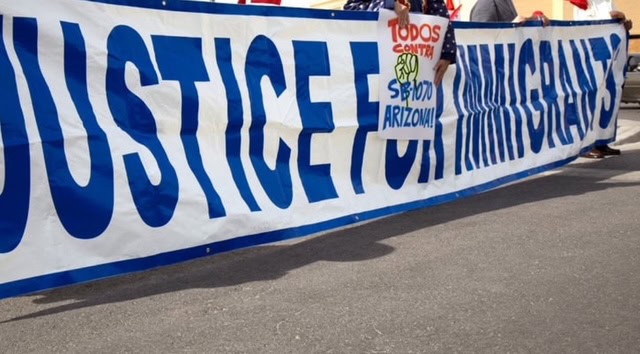
Public Safety or Profiling? Implications of Vasquez Perdomo v. Noem for Immigration Enforcement in the U.S.
The Supreme Court's decision raises concerns about racial profiling, as critics argue it permits stops based on a combination of factors that could be discriminatory.

How California’s Clean Energy Shift Is Reshaping Latino Communities
California has stopped buying coal power, marking a major clean-energy milestone. Advocates say the next step is making sure Latino communities share in the benefits.

After ICE Raid, Wisconsin’s Dairy Labor Crisis Deepens
A recent ICE raid in Manitowoc County is adding pressure to Wisconsin’s dairy industry, which relies heavily on immigrant labor to keep farms running. Farmers say tougher immigration enforcement could make it even harder to find workers to keep up with demand.

Latino Growth Spreads Across the U.S., New Pew Data Shows
A new Pew Research Center analysis shows the U.S. Latino population has nearly doubled over the past 25 years, reaching 67.8 million in 2024. While California and Texas remain home to the largest Latino communities, much of the recent growth is taking place across the Midwest and South.

Sazón de California: Tadin Tea Keeps Latino Traditions Alive, One Cup at a Time
For more than four decades, Tadin Tea has been part of Latino households across California and the United States. Its chamomile, hibiscus, and herbal blends are more than beverages. They are memories of kitchens filled with warmth, conversations with grandparents, and traditions passed from one generation to the next.

From Resilience to Recognition: The Journey of Washington’s Latino Entrepreneurs
When Marcos Wanless founded the Seattle Latino Chamber of Commerce in 2016, he wasn’t trying to reinvent the wheel. He just saw that something essential was missing. “At that time, Seattle and King County didn’t have an active Latino Chamber,” he recalls in an interview with Washington Latino News. “If we, as Latinos, wanted a voice at the economic table, we needed to organize and create an institution capable of representing our community’s interests and potential.”

Three Latino Legends to Haunt Your Halloween: La Llorona, El Silbón, and El Cadejo
Storytelling not just as entertainment, but as a way to teach how to listen, feel, and remember.

UW–Madison Program Expands Culturally Competent Dementia Care for Wisconsin’s Latino Families
A new UW–Madison program is training medical students to provide culturally competent dementia care for Wisconsin’s growing Latino population, addressing long-standing barriers of language, trust and access in memory care services.